If you are wondering whether to paint or stain a deck, the straight answer is this. It is better to choose the finish that fits your boards and your exposure, not the one that sounds nicest online. A paint or stain deck choice depends on the condition you can see, the moisture you cannot see, and how much upkeep you are willing to take on.
Expect the best option to come from a hands-on evaluation, because small details change everything. As experts in exterior wood coatings, Peek Painting has seen decks across San Luis Obispo and Atascadero that look “fine” until the surface is checked for moisture, old layers, and traffic wear. That is why we offer fast quotes within 48 business hours and back exterior work with a 9-year labor and materials warranty.
Key Decision Factors That Decide Paint And Stain Performance
Before you choose to stain a deck or paint, it helps to judge five practical factors. Your paint or stain deck result will last longer when the finish matches the wood, the weather, and the look you want to see every day.
- Condition: On older decks, cracks and checks can make a painted deck appealing because paint hides flaws and helps you hide imperfections. On healthier boards or a newer wood deck, a wood stain system often supports the material while showing wood grain.
- Aesthetics: If you want a crisp, uniform finish that ties into your home’s exterior, coatings give wide color options in different sheens and shades. If you prefer the warmth of natural wood grain, stain fits that personal preference.
- Exposure: Strong sun exposure can speed up UV damage. A coating can offer stronger UV protection in harsh conditions, while stain can still protect but may fade faster where UV rays hit all day.
- Maintenance: Coatings can look great for a long stretch, but they are less forgiving if prep work is rushed. Stain wears down more gradually and it is often easier to reapply stain without chasing flakes. Either way, routine washing supports long-term maintenance and helps you protect the boards.
- Budget And Timeline: Stain is often cheaper up front because many products skip a separate primer and can be closer to one coat. Coatings can cost more when extra prep and multiple coats are needed, plus longer dry times between coats.
Paint Vs Stain: Quick Comparison And Why Paint Lasts Longer Sometimes
A quick side-by-side clarifies what you are really trading. Years of jobsite experience shows the “winner” is not universal. It is the system that matches your deck’s surface, your climate, and your expectations.
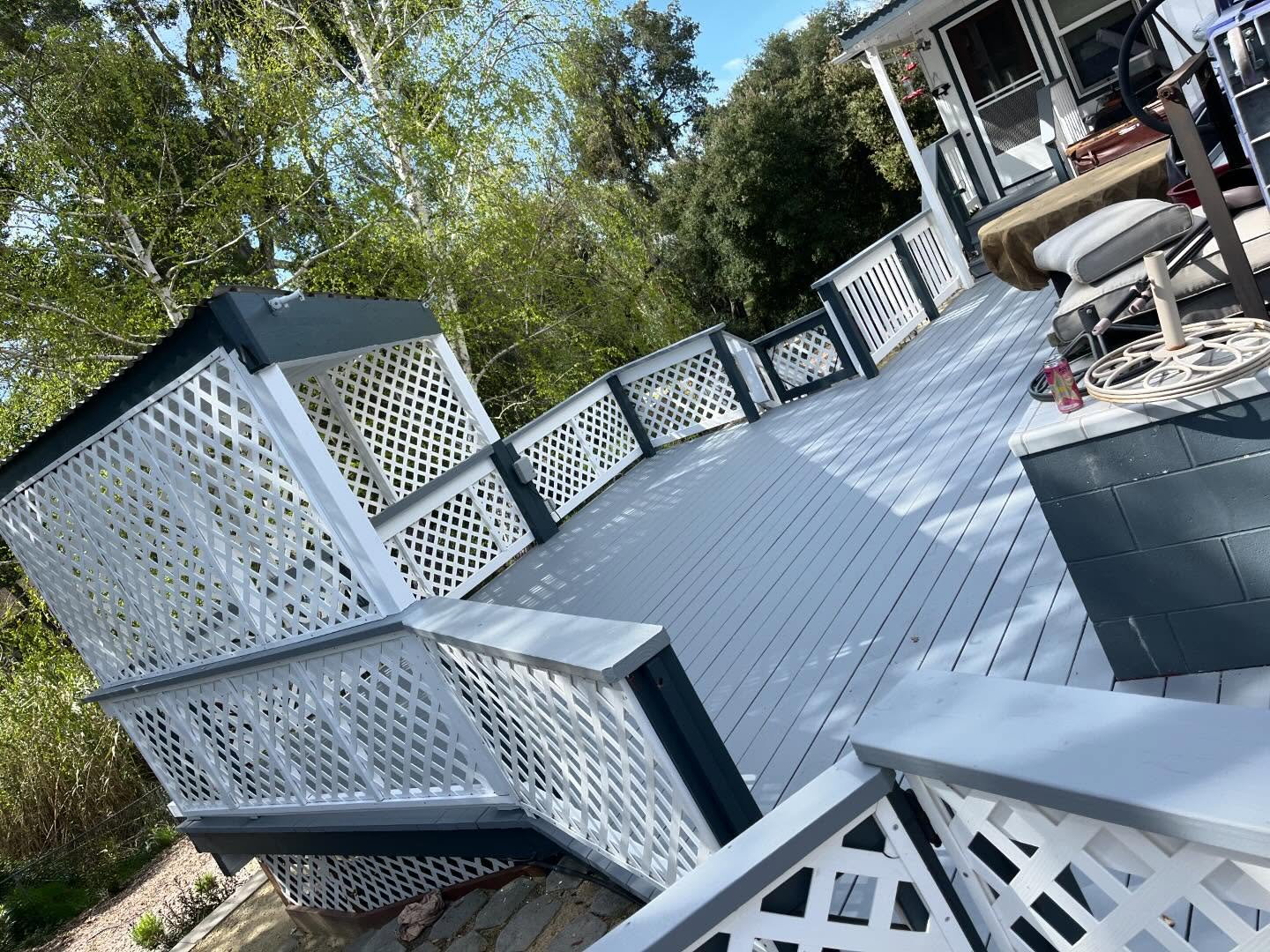
- Appearance: Deck paint creates a smooth finish and can help you cover repairs and discoloration. Deck stain leaves more texture and character visible, especially with semi transparent stain.
- Durability Patterns: Coatings form a thicker layer, so they can be very durable when bonded well. Paint generally lasts up to 10 years before requiring re-application, while stain typically lasts two to three years. Stain can still hold up longer with the right product and care, but heavy sun and foot traffic shorten the cycle.
- Maintenance Cycle: A coating may be refinished about every 10 years in ideal conditions, while many stains need attention in a few years, depending on exposure. Recent customer feedback shows most people are happiest when the plan includes simple cleaning and a realistic refresh schedule from day one.
- Prep Sensitivity: Coatings demand a clean, dry surface or adhesion suffers and peeling becomes more likely. Stain is more forgiving because stain seeps in instead of sitting on top, though a dirty deck can still block penetration and make stain shows blotchy.
- Cost Drivers: Coatings can involve more labor because pros often plan for a primer coat plus two coats, and sometimes a top coat, depending on the system and how many coats your wood drinks in.
When Deck Paint Is The Better Choice
A coating is often the better call when you want solid color, when boards have cosmetic issues you want to hide, or when you are coating over a compatible existing finish. In those cases, the right exterior paint system can help you create a clean, uniform look, and it can make the deck feel like a designed extension of your outdoor space. If you need a stronger shield, coating systems can offer better protection against moisture and sunlight than many stains.
The limitation is prep and compatibility. For paint to bond, the deck must be clean and dry. Pros sweep debris, scrub with cleaner, and sand rough patches before dulling a slick surface and treating any exposed bare wood with wood preservative. Many systems also add a compatible clear sealer when needed. If the existing finish is failing or moisture is trapped, the risk of early failure rises quickly.
When Deck Stain Is The Better Choice
Stain is a strong fit when you want a finish that leans into natural beauty and you prefer wear that looks gradual instead of sudden. Because stain penetrates, it helps highlight natural grain and it can feel more breathable, which matters if your deck sits in shade, morning fog, or a humid yard where trapped moisture is a concern.
Opacity is where stain gets flexible. Transparent stains show the most character but offer lighter shielding, while semi transparent and semi solid options add more pigment for stronger protection. If you want maximum hiding power without a full coating, solid stains can give a more uniform tone while still behaving more like stain than paint. Many stain deck finishes are also easier to refresh, since they are less likely to flake the way some coatings do.
What Pros Evaluate Before Recommending Paint Or Stain
Choosing between paint or stain is rarely a single-factor call. Pros in the industry focus on a short checklist that helps you avoid early failure and get a finish that suits your deck for the long run.
Moisture And Wood Health With Oil Based Considerations
Moisture is the deal breaker many people overlook. A pro checks for soft spots, fastener issues, and signs the structure is holding water. If your deck was built with pressure treated wood, a penetrating wood stain often bonds more predictably early on because the lumber can still be drying and moving. When boards are stable and dry, more finish options open up, including tougher film systems.
Coating Compatibility And Oil Based Paint Identification
Compatibility matters because switching directions is not equal. A stained surface can often be coated after the sheen is dulled and the surface is cleaned, but converting a coated surface back to stain typically means stripping down to clean wood. Pros also identify whether the prior coating was oil based paint or another resin, then choose an approach that bonds to what is already there.
Safety, Structure, And Vertical Surfaces Checks
A strong recommendation includes more than looks. Pros inspect railings, steps, and any vertical surfaces where water sheds differently than the floor boards. Loose boards, spongy treads, and poor drainage get addressed first because no finish can make up for a weak structure. This is also where slip resistance is discussed, since some systems can feel smoother underfoot.
Finish System Choice With Latex Paint And High Quality Paint
This is where the finish plan becomes specific. If coating is the direction, pros often compare acrylic latex paint systems to other exterior coatings based on traffic, exposure, and existing layers. If stain is the direction, the choice centers on tone and pigment level, including whether you want the warmth of natural wood or a more uniform look.
Peek Painting is known for clear communication and efficient scheduling, and the same mindset applies here. You get guidance toward a high quality product that matches the job, whether that is paint or stain.
Weather And Timing For A Consistent Natural Look
Timing can make or break cure. On California’s Central Coast, cool mornings, coastal fog, and afternoon sun can swing temperatures fast, which affects dry times and adhesion. Pros schedule around rain windows and aim for stable conditions so the finish cures evenly and keeps a consistent natural color. This is also where the full system is confirmed, including whether an oil based option is appropriate for your situation.
The Best Choice For Your Deck’s Long-Term Results
The “better” finish is the one that matches your deck reality, not a one-size answer. Your deck depends on board condition, exposure, desired look, and how you want it to wear over time. A coating can deliver a crisp look and longer cycles between full refinishes, while stain supports visible grain and easier refreshes.
If you want the option that performs best in San Luis Obispo, Atascadero, or nearby areas, book a professional assessment and compare real samples in daylight. For a fast estimate and clear recommendations, contact Peek Painting to schedule your consultation. You will get a quote within 48 business hours and a 9 year labor and materials warranty that helps you feel confident in the finish you choose.